
EMPOWERED INVESTOR | TUESDAY, JUNE 09, 2026
Dear Reader,
Oil dropped $5 a barrel overnight. Iran and Israel halted strikes. The financial press is calling it a peace dividend. The energy market is selling relief.
They are reading the wrong chart.
Cushing, Oklahoma, the main U.S. oil storage hub, is near its operational floor. The lowest inventory level in 20 years. A 100-day war drew the tank down. A ceasefire does not fill it back up overnight. PIMCO flagged last week that the global system is losing 70 to 80 million barrels every single week.
Meanwhile, in Washington, a clock nobody is watching just started ticking. Treasury Secretary Scott Bessent has a Russian oil sanctions waiver that expires in 8 days. His last renewal. His last warning. That decision, not the ceasefire headline, is what moves markets next.
Inside today's issue: the inventory story the bulls are ignoring, the nuclear milestone nobody covered, and the one policy lever that reprices everything.
THE WIRE
• THE BARREL: Brent lost nearly $5 in 24 hours on ceasefire signals. But U.S. crude storage is at its lowest in two decades. The bulls just bought a headline and left the inventory report on the table.
• THE GRID: A private company just fired up a nuclear reactor under Trump's DOE pilot program. First in the nation. One down, two to go before July 4. The power grid just got its most important story of 2026.
• THE POLICY DESK: The Russian oil sanctions waiver expires June 17. Bessent said the next version will be "more tailored." That is Washington code. Eight days to figure out what it means for prices.
• THE PLAY: One toll collector wins whether Hormuz reopens or stays closed. The market is watching the ceasefire. The real position is in infrastructure that charges by the cargo.
THE BARREL
WTI settled Tuesday at $89.28 a barrel. Down $2.03. Brent closed at $92.58. Down $1.76. In 24 hours, oil shed nearly $5 on reports that Iran and Israel halted strikes.
The EIA released its June Short-Term Energy Outlook today. Full-year 2026 inventory draw: 2.6 million barrels per day. That is not a rounding error. That is a structural hole in global supply that does not close the moment a diplomat shakes hands.
OPEC+ voted June 7 to raise output quotas by 188,000 barrels per day for July. The fourth consecutive hike. Almost entirely symbolic. Saudi Arabia, Iraq, and Kuwait are running 8.5 million barrels per day below their combined targets because the Strait of Hormuz is still functionally closed. You cannot hike a quota you cannot ship.
The peace rally is real. The 100-day inventory destruction behind it is also real. These two facts do not cancel each other out.
THE GRID
On June 4, a company called Antares Nuclear achieved zero-power fueled criticality at the DOE's Idaho National Laboratory. The Mark-0 microreactor. First private company to hit that milestone under Trump's DOE Reactor Pilot Program.
Energy Secretary Chris Wright called it "a historic moment for American energy." The program's goal is three advanced reactors to criticality by July 4, 2026. One down, two to go.
The same week, FERC approved a transfer of 760 megawatts of grid rights for Constellation's Three Mile Island restart. That single approval cuts the timeline from 2031 to 2027. Microsoft already holds a 20-year power purchase agreement. A $1 billion DOE loan is funded and ready.
New York Power Authority is soliciting 1 gigawatt of advanced nuclear for upstate New York. Twenty-three companies have already responded. NERC projects summer peak demand could surge 224 gigawatts over the next decade from AI data centers and reshoring factories. That power has to come from somewhere.
THE POLICY DESK
June 17. Eight days from today.
That is when Bessent's Russian oil sanctions waiver expires. General License 134. Extended twice already. On June 4, Bessent told reporters the next version will be "more tailored." That is not reassurance. That is a warning.
India is buying Russian crude at record levels: 1.76 million barrels per day in May, up 63 percent from February. The waiver is the legal cover that makes those trades possible. If it lapses with no replacement, India scrambles for alternatives. That means more competition for U.S., Nigerian, and Brazilian supply. Brent goes higher.
Trump is simultaneously using India's Russian purchases as tariff leverage. Lower U.S. tariffs on Indian goods in exchange for India cutting Russian imports. The sanctions waiver and the trade deal are the same negotiation. "More tailored" means someone is getting squeezed.
Also: Energy Secretary Chris Wright approved Port Arthur LNG Phase II for non-FTA export. Trump's first non-FTA LNG approval of his second term. Jefferson County, Texas. Market: the world.
There is one figure inside today's EIA report that the mainstream press glossed over entirely. It tells you exactly where this market goes when the ceasefire fades and the inventory math takes over. A note from our sponsor, then I will show you.
SPONSORED: OXFORD CLUB
Trump's Executive Order 14330: What Wall Street Doesn't Want You to Know
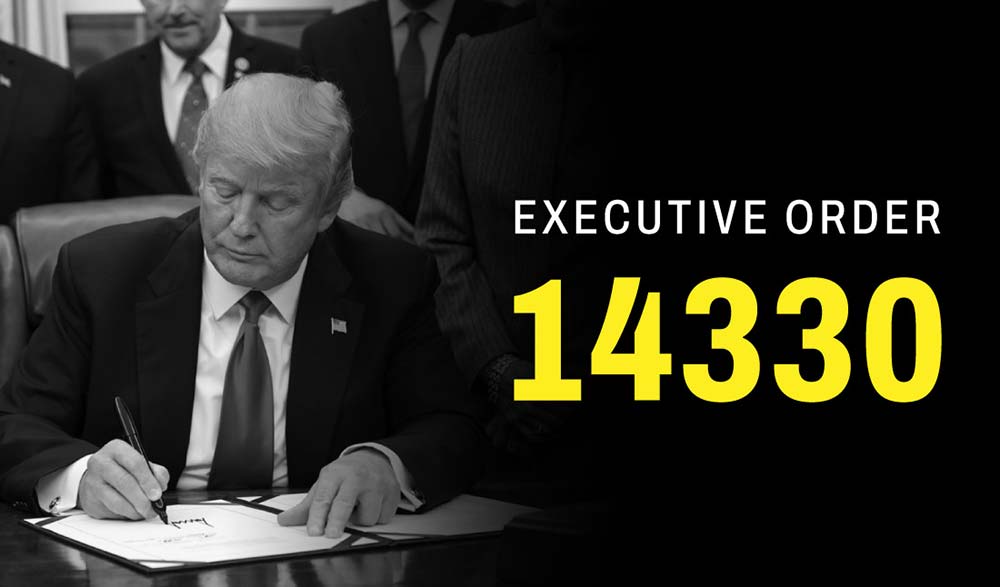 |
When Trump signed Executive Order 14330, he quietly opened a $216 trillion opportunity to regular Americans. And Trump collects up to $250,000 a month through a little known fund directly tied to this boom. Now you can access it for less than $20. See how to get the full story here >>
That EIA figure: 8.5 million barrels per day. That is how far Gulf production is running below quota right now. Saudi Arabia alone is 3.66 million barrels per day short of its own target. When Hormuz reopens, that supply comes back. Every barrel will find a buyer. The price adjusts. The infrastructure that moves it does not.
THE PLAY
Here is the B-quadrant question: does it matter who wins the Iran standoff?
Not to the toll collectors.
American LNG terminal operators earn a fee per cargo. Whether oil is at $89 or $139, the cargo still moves. The EIA projects 17 billion cubic feet per day of U.S. LNG exports in 2026. Golden Pass Train 1 shipped its first cargo in April. Corpus Christi Stage 3 is commissioning now. Port Arthur Phase II just cleared non-FTA approval. That opens every major import market on the planet to American gas.
Nuclear plays the same game. Constellation's Three Mile Island restart has a 20-year Microsoft contract locked before the first watt flows. No commodity exposure. No fuel price risk on the revenue side. Just a contract and a clock.
The market is chasing the ceasefire trade. The real position is in infrastructure that charges a toll whether the war continues or ends. June 17 is a catalyst either way. Position accordingly.
Stay empowered.
P.S. The toll collector thesis holds in every energy cycle. But the specific companies collecting specific tolls right now are not the names making headlines. Robert's team put together a full breakdown of which infrastructure plays have the longest contracts and the most insulated revenue streams in this market. Click here to access the full report.