
Dear Reader,
On Monday, 90 sovereign wealth funds and 54 central banks submitted their responses to the Invesco annual survey.
The headline number: $29 trillion.
That is the combined pile of capital they manage. And last month, they started moving it. Out of dollar-denominated bonds. Into energy infrastructure.
This is not a forecast. It is not an opinion. It is what they told the survey researchers, directly, in writing. Twenty-nine percent of respondents said they expect the dollar to lose some reserve currency status within five years. Sixty-one percent of central banks believe U.S. debt is already damaging the dollar long term.
Here is what stopped me cold. The dollar posted its best monthly gain in nearly a year. And sovereign funds still rotated out of it. When the biggest pools of capital on earth move in one direction while a currency is having its best month in 12, one of those two signals is wrong. I know which one I trust.
Today, I am going to show you exactly where that $29 trillion is heading, what the physical energy markets are telling us right now, and what the toll collectors in this rotation actually look like.
The Wire
• THE BARREL: The ceasefire made headlines. The tanker log tells a different story. Here is what the Hormuz traffic data is actually showing this week and why 110 million barrels are still stuck in a chokepoint.
• THE GRID: France found out what happens when you cool a nuclear fleet with river water during a 44-degree heat wave. One reactor went dark on June 22. The fix involves a technology that does not need rivers at all.
• THE POLICY DESK: OPEC voted to pump more oil in July. Then it became clear the oil is physically stuck behind a nearly closed Strait. Here is why the vote is largely symbolic, and what the UAE departure from the cartel means for everyone else.
• THE PLAY: The $29 trillion rotation into energy is not going into oil futures. It is going into the infrastructure layer underneath them. Here is what that looks like and who collects the toll regardless of who controls Washington.
The Barrel
Brent crude settled at $72.49 a barrel on Sunday as the U.S. and Iran announced a halt to attacks ahead of fresh talks in Qatar.
The headlines said ceasefire. The tanker data said something more complicated.
At the peak of the Hormuz crisis, as few as five to ten ships per day were moving through the Strait. This week, traffic is running at roughly 150 vessels per week. That sounds like recovery. It is a partial one.
Approximately 55 Very Large Crude Carriers are still clearing the backlog that built up while the Strait was nearly closed. Each VLCC carries around two million barrels. That is 110 million barrels still working through a chokepoint that is not fully open.
U.S. production is running at 13.7 million barrels per day. Net exports hit a record 5.8 million barrels per day. The EIA weekly report showed a commercial crude draw of 8.3 million barrels. The Strategic Petroleum Reserve shed another 8.9 million barrels in the same period.
America became the world’s largest energy exporter. The $29 trillion in sovereign capital now has to decide what to do with that fact. And the number they are focused on is not the crude price.
There is a figure inside this week’s energy data that most trading desks walked right past. It connects directly to where that sovereign capital is actually landing. I will come back to it on the other side of a quick break.
SPONSORED: PARADIGM PRESS
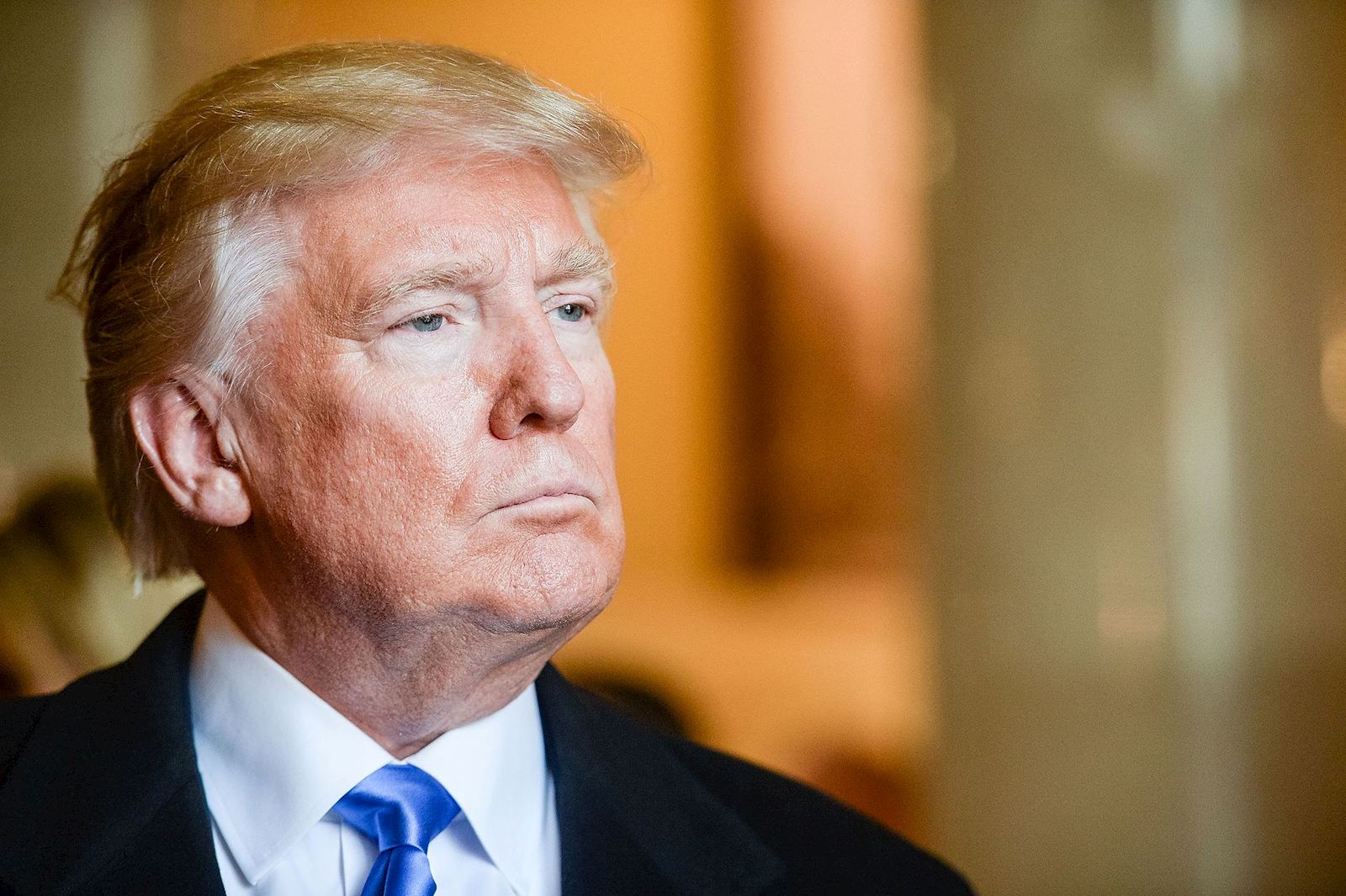 Jim Rickards Predicts: Trump's Next Big Buy
This tiny $2 stock holds the exclusive rights to the largest gold reserve in the country.
And it has the potential to be the biggest fortune maker in Trump’s second term.
According to Jim Rickards...
Trump is about to take a direct stake in this $2 stock.
And if you’d like to learn how to stake your claim in this asset before President Trump and his administration make a move…
You need to act before June 30.
Click here to see Jim’s big prediction: “Trump’s Next Big Buy.”
Here is the figure.
The Grid
On June 22, France’s Golfech nuclear power plant shut down Unit 2. Not because of equipment failure. Not because of a policy decision. Because the Garonne River reached 28 degrees Celsius.
That is the regulatory thermal limit for nuclear cooling water in France. When the river gets too warm, the reactor goes offline. No workaround. No override. Physical law is the limit.
France recorded its hottest day since measurements began in 1947 last week. Temperatures exceeded 44 degrees Celsius across the south. The Golfech shutdown was the predictable result.
In July 2025, a similar heat wave knocked out more than 7 gigawatts of French nuclear capacity. That is the equivalent of Ireland’s entire electricity grid going dark at once. This summer is tracking toward a repeat.
EDF, which operates France’s entire nuclear fleet, is spending 600 million euros per year to climate-proof its reactors and hydropower assets over the next 15 years. That cost is structural. It does not disappear when the temperature drops.
The IEA projects global energy demand for cooling will double by 2050 versus 2023 levels. That demand is not discretionary. It scales with population, urbanization, and temperature.
Small modular reactors address this directly. SMR designs with closed-loop cooling systems do not depend on river or ocean temperature. They can be sited inland, next to data centers, at industrial facilities. They produce reliable baseload power regardless of weather conditions.
The sovereign wealth funds in the Invesco survey are not buying oil futures. They are buying the infrastructure layer: pipelines, LNG terminals, grid assets, and generation capacity that runs regardless of what is happening at the Strait of Hormuz or on the Garonne River. The French reactor shutdown was not an anomaly. It was a data point in a pattern the smart money already understood.
The Policy Desk
OPEC cut its forecast for 2026 global oil demand growth to 970,000 barrels per day. That is down from 1.17 million barrels per day two months ago. The second consecutive downward revision, both driven by the Iran war and the Hormuz disruption.
The cartel also voted to increase production by 188,000 barrels per day for July. The New York Times called it largely symbolic. They were being polite.
OPEC’s May output fell by 190,000 barrels per day, led by Iran, whose exports dropped to their lowest level in six years. The oil exists. The Strait was not open enough for it to move. Paper production targets mean nothing when the physical route is blocked.
On May 1, the UAE formally exited OPEC and OPEC+. The UAE is one of the Gulf’s largest producers. Its departure signals internal fracture. When production targets become physically impossible to meet, member states start making individual decisions. That process has started.
In Doha this week, U.S. and Iranian negotiators are at the table. Iran’s delegation stated publicly that the meeting is about releasing frozen funds, not a nuclear deal. Trump said Iran requested the meeting. Tehran denied the framing. The ceasefire headline is real. The underlying dispute is not resolved.
Energy CPI is running at plus 23.5 percent year over year. The Iran war shock is embedded in price levels now. The Fed is watching core CPI at 2.9 percent. Headline is at 4.2 percent, a three-year high. M2 is at $23 trillion, growing at 5.6 percent annually. That math does not resolve without a policy response the central bank has so far declined to deliver.
The Play
The sovereign wealth funds in the Invesco survey are not buying oil. They are buying what oil travels through. What electricity flows across. What gas gets liquefied and shipped around the world.
Pipeline operators. LNG terminals. Grid assets. Power generation that runs regardless of who controls Washington, whether the Strait of Hormuz is open or closed, or whether the Garonne River is too warm for nuclear cooling.
This is the tollbooth thesis. The car manufacturers compete for market share. The tollbooth collects every time any car passes through, regardless of who built it. Energy infrastructure is the tollbooth of the modern economy. It does not care about the geopolitical headline. It cares about throughput.
France’s nuclear shutdown this week was not a warning to exit energy. It was a signal about which infrastructure is exposed to physical limits and which is insulated from them. Closed-loop SMR designs, long-haul pipeline operators, and LNG export terminals do not have a river temperature problem. They have a demand problem. And demand for energy is not declining.
U.S. production at 13.7 million barrels per day. Net exports at a record 5.8 million barrels per day. America is the world’s energy supplier. The infrastructure that makes that possible, the pipelines, the terminals, the processing facilities, is exactly what the $29 trillion is targeting.
M2 at $23 trillion and climbing. CPI at 4.2 percent. The real return on dollar-denominated bonds is negative once you account for actual inflation. The sovereign funds did the math. They chose hard energy assets over paper promises.
The question is whether you own any of the tollbooths.
Stay empowered
P.S. The $29 trillion sovereign capital rotation is a macro signal. Identifying the specific infrastructure names at the center of this shift requires a closer look at pipeline operators, LNG terminal developers, and grid buildout plays. The Kiyosaki Letter research team has been tracking the positions in this rotation. To see the details, click here.