
Dear Reader,
The gun is still smoking over the Persian Gulf this morning.
Over the weekend, the U.S. military carried out its third wave of strikes against Iranian radar sites in just over a week. Washington called it self-defense. Iran's Revolutionary Guards answered immediately, targeting what they said was the air base that launched the attack. Kuwait's military scrambled to intercept incoming missiles and drones.
Hormuz is still closed. Brent crude is at $93.28 a barrel. WTI opened Monday at $89.83, up 2.83%.
The mainstream coverage is fixated on one question: will there be a deal? I am focused on a different question. Who gets paid while everyone waits for the answer?
That is today's issue.
The Wire
What you need to know before the market opens
• THE BARREL: U.S. forces struck Iranian positions for the third time in eleven days. Tehran returned fire. Hormuz stays blockaded. Here is what WTI at $89.83 really signals for every barrel trying to leave the Gulf.
• THE GRID: Finland became the first country in history to permanently bury nuclear waste underground. While America debates whether nuclear is safe, Europe is planning for the next 100,000 years. Here is what that tells you about where grid power goes from here.
• THE POLICY DESK: Jerome Powell gave his first major speech since leaving the Fed. He warned that politicizing the central bank destroys a "priceless asset." Here is what a compromised Fed means for the dollar and energy prices.
• THE PLAY: Hormuz closed means American LNG wins. Here is the structural trade that pays you regardless of whether Iran signs a deal tomorrow or in three years.
• Oxford Club: Elon Musk says AI is the only fix for America’s $36 trillion debt crisis. Here is the retirement play he is pointing to.

The Barrel
Oil, gas, and the real cost of Hormuz
The U.S. military struck Iranian radar and drone sites over the weekend. Third wave in eleven days. Iran’s Revolutionary Guards fired back, targeting what they claimed was the launch base. Kuwait scrambled air defenses.
Brent crude is at $93.28. WTI opened at $89.83, up 2.83%. Natural gas moved up 2.34% to $3.37 per MMBtu.
One fifth of globally traded oil moves through Hormuz. About a quarter of all liquefied natural gas moves through the same 21-mile channel. None of it is moving right now.
Here is what most analysts are missing. This is not a spike. It is a repricing. Every week Hormuz stays closed, more buyers reroute shipments on longer lanes, burning more fuel, paying higher freight, bidding up spot cargoes. The cost does not come down until the Strait reopens. And the Strait will not reopen until there is a deal. There is no deal today.
The barrel is not the story. The pipe that moves American energy around the blockade is the story. Hold that thought.
The Grid
Nuclear, power, and the infrastructure no one is building fast enough
Finland did something last week that no nation has ever done. Engineers began placing spent nuclear fuel into a permanent underground repository carved 1,400 feet into bedrock on the island of Olkiluoto. The Onkalo facility is engineered to contain its contents safely for 100,000 years.
One hundred thousand years. Finland is not debating nuclear. Finland is planning for the next hundred centuries.
Here at home, the argument is still happening. Meanwhile the grid is breaking under the weight of a demand surge no one planned for. Data centers now account for more than 4% of U.S. electricity consumption. That number is growing fast. The AI buildout alone is on track to add the equivalent of three new Texas grids worth of demand by 2030.
Natural gas is filling the gap. Nuclear is the only other option that runs 24 hours a day regardless of weather. The NRC has 11 small modular reactor applications in active review. Microsoft, Amazon, and Google have all signed long-term power purchase agreements with nuclear operators in the last year.
The grid needs power. The math says nuclear has to be part of the answer. The infrastructure investment is not a question of whether. It is a question of who gets there first.
The Policy Desk
Washington, rates, and the dollar you hold
Jerome Powell spoke Sunday. His first major address since stepping down as Fed chair.
His warning was pointed. “The Federal Reserve’s independence is a priceless asset,” he said. He argued that political pressure on the central bank would erode its ability to control inflation and eventually damage the economy.
Powell was talking about months of public pressure from the White House to cut rates faster. President Trump has called the Fed chair too slow and suggested he should be more aggressive.
Here is the investment implication. If the Fed cuts rates under political pressure before inflation is actually under control, the dollar loses purchasing power. Energy is priced in dollars. Hard assets priced in dollars get more expensive as the dollar weakens. The midstream infrastructure that moves oil and gas through long-term, inflation-linked contracts becomes more valuable, not less.
On Iran, Trump told his daughter-in-law’s Fox News show that his framework for a deal requires Iran to have no nuclear weapons. Iran’s chief negotiator said no deal until Iranian rights are upheld. The two positions are not close.
The Strait stays closed. Here is what that means for the one sector that wins either way.
There is one number I want you to sit with before we get to the play. U.S. LNG exports hit a new monthly record in April 2026. The country blocking Middle Eastern gas from moving is now the world’s largest LNG exporter. Every cubic foot of that gas travels through American pipelines. Someone owns those pipes.
SPONSORED: OXFORD CLUB
Elon Musk: “The Only Thing That Can Solve It”
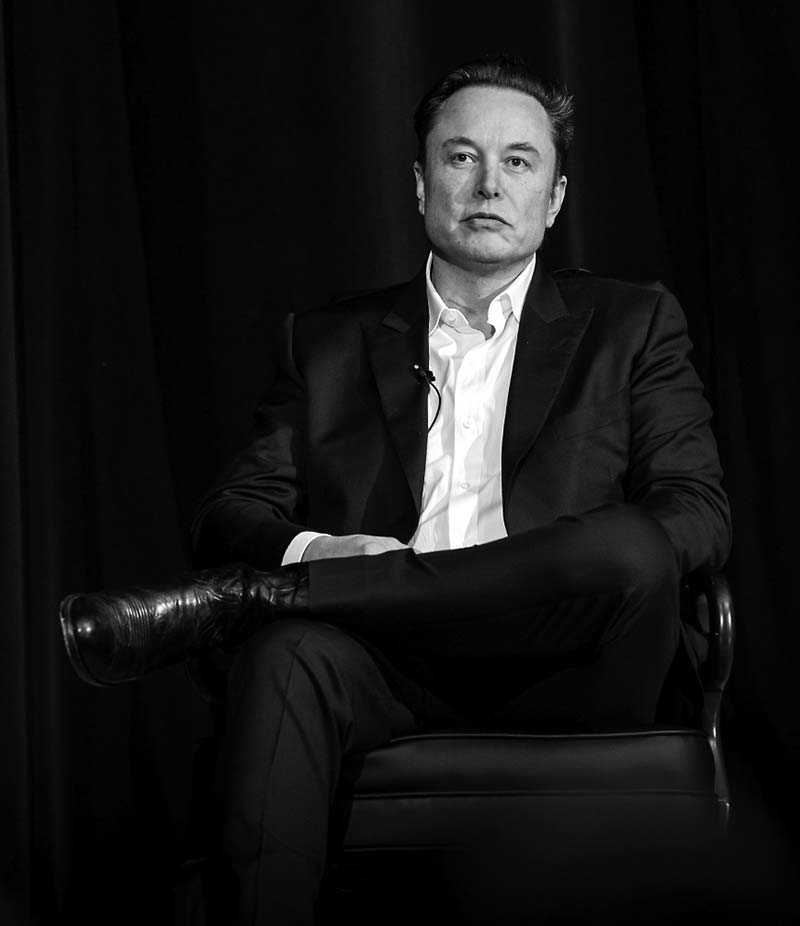
In a bombshell interview, Elon Musk declared that AI and robotics are “the only thing” that can solve America’s $36 trillion debt crisis. His answer points to one overlooked retirement play that most Americans have never heard of. See the details here.
The Play
The toll collector does not care who wins the war
American LNG didn’t get to number one by accident. It got there because Europe needed to replace Russian gas. It got there because Asia was willing to pay a premium for reliable supply. Now Hormuz is closed, which means Middle Eastern producers cannot get their own gas to market. American LNG fills the gap. Again.
The companies that built the infrastructure to handle this are collecting contracted revenue right now. Long-term, take-or-pay agreements. The buyer pays whether they lift the cargo or not. The toll collector does not care about the news cycle.
Cheniere Energy runs the two largest LNG export terminals in the country, at Sabine Pass and Corpus Christi. Williams Companies owns the Transco pipeline, the spine of East Coast natural gas delivery. Enterprise Products Partners runs one of the most integrated midstream networks on the continent.
None of these companies are speculating on the Iran deal. They are collecting fees on the energy the world is already committed to moving. The Hormuz crisis did not create their business. It just made their contracts more valuable.
Rich Dad taught me this principle before I could apply it. Do not bet on outcomes. Own the infrastructure that gets paid regardless of the outcome. The school system taught you to save dollars. The dollar buys less every year. The pipe that moves the energy does not lose purchasing power. It earns a toll. Every day.
Stay empowered.
P.S. The Hormuz crisis is proving which energy assets have durable pricing power and which are just riding the headline. Robert Kiyosaki’s research team has been tracking the specific midstream and LNG infrastructure plays that pay contracted income regardless of how the Iran talks end. See the research here.