
Dear Reader,
This morning, the International Energy Agency published its World Energy Investment 2026 report. The headline: the world is spending $3.4 trillion on energy this year. A record.
I did not stop at the headline.
Here is what matters. Of that $3.4 trillion, $2.2 trillion goes to electricity. Grids, nuclear, storage, renewables. The other $1.2 trillion goes to oil, gas, and coal. Fine. But inside that second number, the IEA reveals that crude oil investment specifically is going down. Not slowing. Down.
Read that again. The world is spending more on energy than at any point in history. And it is investing less in the one fuel that still powers 85% of the global economy.
Meanwhile, U.S. crude inventories fell another 2.8 million barrels last week. The Strategic Petroleum Reserve is at 365 million barrels and draining. WTI is trading at $90.51 this morning after fresh U.S. strikes on Iranian targets reignited supply fears that traders had briefly talked themselves out of.
The math is not complicated. The implications are significant.
The Wire
Today's signals. The ones worth understanding.
• THE BARREL: The IEA buried a troubling number inside its record $3.4 trillion investment report. Crude oil investment is declining while U.S. inventories keep falling. The gap this creates is bigger than the headlines suggest.
• THE GRID: Malaysia's power demand jumped 11.5% in a single month. Data centers did it. The same demand curve is hitting the U.S. grid right now. Nuclear is the only baseload answer that does not depend on weather.
• THE POLICY DESK: Europe is quietly signing decade-long energy contracts with Canada. The Ksi Lisims LNG project is picking up new commitments this week. The energy geography of the Atlantic Basin is being redrawn.
• THE PLAY: When upstream crude investment declines and inventories drain, the assets that win are not the drillers. They are the toll collectors. Three infrastructure names are trading at notable discounts right now.
The Barrel
Oil, gas, and commodities
The American Petroleum Institute reported Wednesday: U.S. crude oil inventories fell 2.8 million barrels for the week ending May 22. The week before, they fell 9.1 million barrels. The Strategic Petroleum Reserve is now at 365 million barrels. The government pulled 9.1 million barrels from the SPR in the same week to help cap prices.
You cannot drain your strategic reserve while cutting upstream investment and expect prices to hold.
WTI is at $90.51 today, up 2.1% after new reports of U.S. strikes on Iranian military targets. Brent is at $96.34. Both benchmarks dropped more than 7% earlier this week on ceasefire optimism. They gave half of that back in 24 hours.
The IEA data confirms the real story: crude oil investment is declining. Less drilling. Fewer new wells. Smaller reserve builds. Global oil stocks in Asia are approaching what Jeff Currie of the Carlyle Group called "minimum operational levels" on CNBC this week. That is not language you hear often. Pay attention when you do.
The Grid
Nuclear, power infrastructure, and electricity demand
The IEA report puts $2.2 trillion into electricity this year. Grids, nuclear, storage. That is not a green story. That is a capacity story.
Malaysia just showed you what happens when you run out of capacity first. Power demand in peninsular Malaysia jumped 11.5% in April versus a year ago. The cause: a severe heat wave and surging data center use. Petronas had to redirect gas from offshore fields to onshore power plants to keep the lights on.
The same pressure is building in the United States. Microsoft, Google, Amazon, and Meta are each adding hundreds of megawatts per quarter to their AI data center portfolios. The grid feeding them was built for a different era. Utilities in certain U.S. regions will need to double capacity within five years.
Nuclear is the only firm, 24/7 baseload power that does not need wind, sun, or a calm sea. Every utility CEO trying to explain to their board where the next gigawatt comes from already knows this. The NRC licensing queue reflects it.
The Policy Desk
Washington, geopolitics, and regulation
While Washington tracks Iran, Europe is making permanent energy decisions that will shape the next 30 years.
European utilities are signing offtake deals for the Ksi Lisims LNG project in British Columbia. Canada's second export terminal. The project already has 5 million tons per year committed. Western LNG is trying to lock up another 3 to 4 million tons. Total capacity: 12 million tons annually.
This is not a news cycle. It is infrastructure. Every terminal Europe contracts with Canada is one less dependency on Moscow and Tehran. The energy geography of the Atlantic Basin is being redrawn one long-term contract at a time.
Asian LPG buyers are already canceling U.S. cargoes. Freight costs from the Middle East crunch have risen so high that some shipments do not pencil out. At least two U.S. Gulf Coast cargoes scheduled for June have been canceled. More are under review.
The supply chain reprices daily. The infrastructure moving energy through it reprices once a decade.
There is one number buried inside the IEA report that changes how you think about every energy investment for the next three years. It is not the headline figure. Once you see what it means for the infrastructure operators, the toll collectors of the energy grid, everything else comes into focus.
Before I show you the specific setup that follows from it...
SPONSORED: OXFORD CLUB
Trump's Executive Order 14330: What Wall Street Doesn't Want You to Know
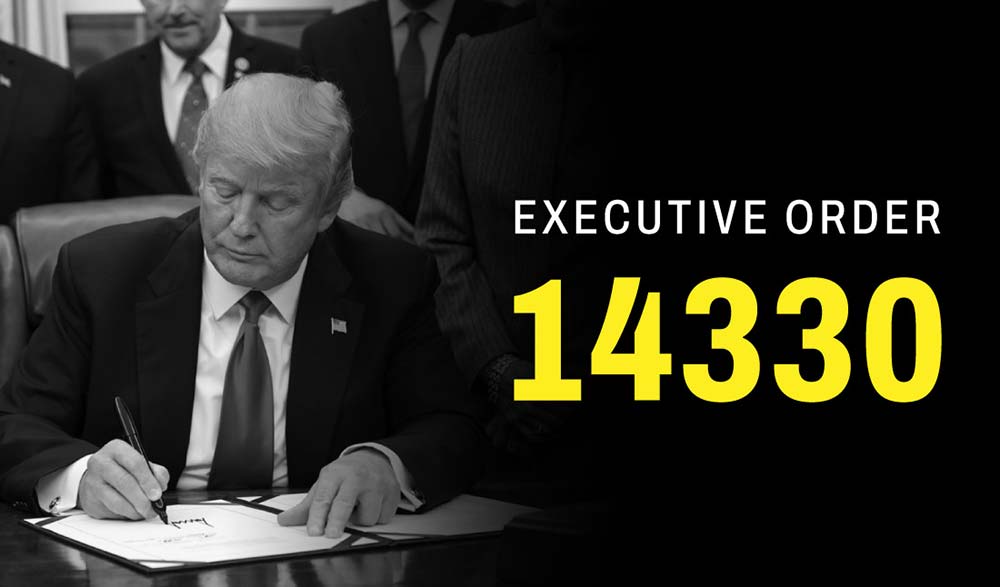 |
When Trump signed Executive Order 14330, he quietly opened a $216 trillion opportunity to regular Americans. Now you can access the same kind of fund for less than $20. See how to get the full story here >>
The Play
Where to position in this environment
...here is why the setup is more compelling than at any point in the last decade.
The IEA number that matters: crude oil investment is declining even as total energy spend hits a record. Less money going into new wells. Fewer new barrels coming online. Demand holds. Inventories drain. The SPR is at 365 million barrels and falling.
When upstream investment drops, the assets that benefit most are not the producers. They are the infrastructure operators. The pipeline companies. The terminal operators. The royalty trusts. These businesses collect a fee on every barrel that moves through their system. Their operating costs are largely fixed. The math is simple.
The B-quadrant principle applies here more clearly than almost anywhere else in public markets. Build the road. Collect the toll. Let the producers and traders fight about margins. The toll collector gets paid on volume, not on who wins the price war.
WTI at $90 is not a ceiling. Not when upstream investment is declining and the world's emergency reserves are draining. The gap between investment and demand is real. The toll collectors are positioned to benefit from that gap for years, not months.
Three infrastructure names are trading at notable discounts to their asset values right now. That is not a coincidence. That is the setup. Click here to access the specific names and entry levels.
Stay empowered
P.S. The IEA report tells you capital is flowing away from crude oil production. What it does not tell you is which infrastructure operators are best positioned to capture the toll revenue as that supply gap widens. Specific names. Specific entry prices. The Patriot Income Plan has all three. See it here.