
Dear Reader,
Everyone celebrated when Iran signed the deal. The Strait of Hormuz opened. Oil prices fell. Energy stocks sold off. Wall Street called it a peace dividend.
I called it a buying window.
Here is what the headlines missed. Diesel fuel is 13 percent below the five-year seasonal average right now. Not last month. Not before the war. Right now, today, with Hormuz open. Those tankers that sat outside the Strait for weeks cannot refuel a nation overnight. It takes months for oil to flow in, get refined, and show up in storage. The crisis in diesel did not end when the diplomats shook hands.
At the same time, the United States just hit a new record. We exported 5.8 million barrels of petroleum per day in April. America is not just energy independent anymore. It is the world's gas station. That is not a slogan. That is the data.
Let's get into it.
THE WIRE
• THE BARREL: Oil fell 3 percent on the Iran deal. But crude stocks are 6 percent below the five-year average. Diesel is 13 percent below. The selloff was a signal, not a signal to sell.
• THE GRID: FERC ordered grid operators to speed up power permits for AI data centers. The electricity crunch is now a federal emergency. Small reactors are the answer.
• THE POLICY DESK: The G7 formed a critical minerals alliance. China owns 60 percent of the world's processing capacity. A memo does not beat 20 years of supply chain work.
• THE PLAY: Matador Resources insiders bought stock on June 9. They filed the Form 4 today. They bought the dip. They saw what peace traders could not.

THE BARREL
Oil fell nearly 3 percent on June 18 when the Iran deal hit the news. Traders called it a peace dividend. It was an emotion, not a fact.
Here is the data. US crude stocks sit at 418 million barrels. That is 6 percent below the five-year average. Diesel and heating oil are 13 percent below. Diesel is the fuel that moves trucks. It moves farm equipment. It moves the whole economy. A 13 percent gap does not close because a memo got signed.
US imports fell by 754,000 barrels per day last week. The ships that sailed around Africa are still at sea. Hormuz opened this week. Those ships take weeks to arrive, unload, and refine. The EIA says it takes two to four months for supply to normalize.
And while the world scrambled, America stepped in. US net exports hit 5.8 million barrels per day in April. A record high. We filled the gap for Europe and Asia. That is real. That is the market today.
Investor angle: energy stocks sold off on news of the deal. Insiders bought. The data says the supply problem is still open.
THE GRID
FERC issued new rules this week. Grid operators must now speed up power permits for AI data centers. This is not a request. It is a mandate.
Every big tech company is building data centers right now. Microsoft, Google, Amazon, and Meta are spending over $300 billion on AI this year. Every one of those buildings needs massive amounts of power. The grid was not built for this.
Small reactors are the answer everyone in the industry is talking about. They run 24 hours a day. No wind needed. No sun needed. Just heat, steam, and electricity, around the clock.
The NRC cleared its first small reactor design in 2023. Kairos Power is building. NuScale has signed contracts. The FERC order speeds up the demand side. The supply side, new reactors and new transmission lines, is still years away. That gap is where the money goes.
Investor angle: the power crunch is not coming. It is here. The grid is under federal emergency management.
THE POLICY DESK
The G7 just announced a critical minerals alliance. Seven rich countries got together and signed a paper. They promised to cut their dependence on China for rare earth metals, lithium, cobalt, and copper.
China has been building this supply chain for 20 years. They own the mines in Congo. They own the plants that process the ore. They handle 60 percent of all rare earth processing in the world. A G7 press release is not a supply chain.
On the Fed front, Kevin Warsh held rates this week in his first meeting as Fed chair. But nearly half of his own board now expects a rate hike before year-end. Markets are pricing a move in September. The dollar jumped. Stocks dropped.
Here is the irony. Trump put Warsh in the chair to cut rates. Trump's Iran war created the inflation that now forces rate hikes. You cannot bomb your way to a cheaper dollar.
Investor angle: rate hikes favor cash-flowing energy assets over new projects. Pipelines and terminals that already earn fees win in this environment.
Here is the number that changes the whole peace-dividend trade. Distillate stocks are at their lowest level in years. Before I show you exactly where the smart money moved on June 9 while everyone else was selling...
SPONSORED: OXFORD CLUB
Trump's $250,000/Month Secret Exposed
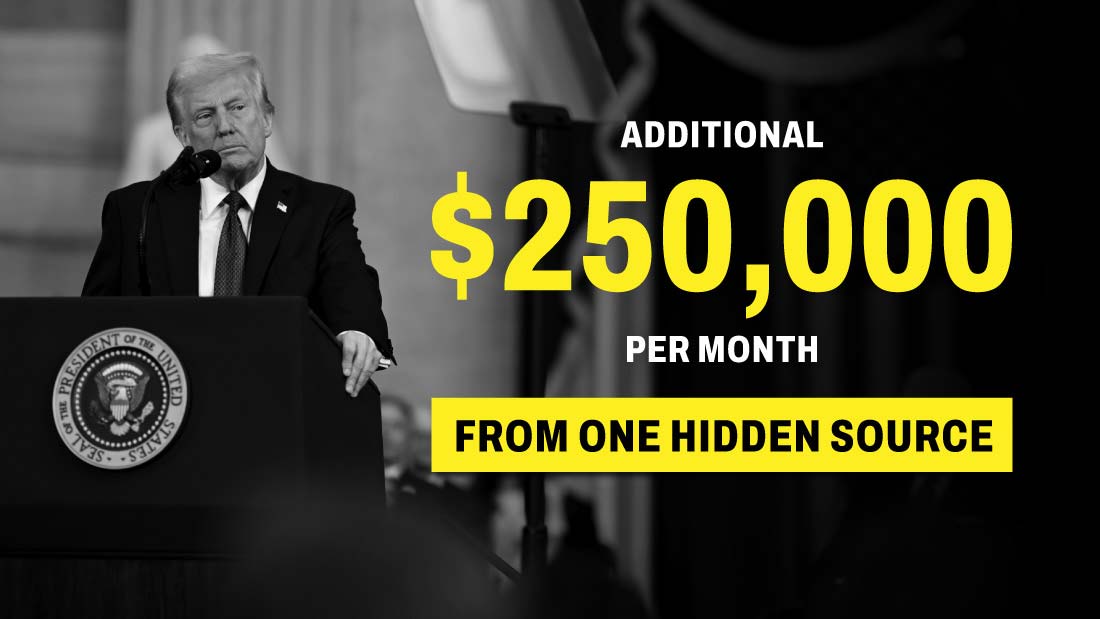 |
While President Trump's official salary is $400,000 per year... his tax returns reveal he's been collecting up to $250,000 PER MONTH from one hidden source. Until recently, most Americans couldn't touch the type of investment that makes up this investment. But thanks to Executive Order 14330, that just changed. If you love investing in disruptive new companies... Discover how to invest in the fund Trump uses to collect this income >>
...the Matador Resources Form 4 hit EDGAR today. A director bought 3,000 shares on June 9 at $53.09 each. That is $159,000 of their own money. Open market. No plan. No option grant. A person who runs an oil and gas company buying stock in that company when the world said energy was over.
THE PLAY
When peace breaks out, energy traders sell first and ask questions later. When insiders see a supply gap, they buy into the panic.
The setup today: diesel 13 percent below normal, crude 6 percent below normal. Global demand forecast to rebound by 2.5 million barrels per day in 2027. US exports at record levels. AI power demand growing 30 percent per year. Small reactor approvals moving through the pipeline.
The best plays in this story are not the oil wildcatters. They are the pipelines, the LNG export terminals, the grid assets that charge a fee every time energy moves from one place to another. It does not matter who wins the geopolitical fight. The oil still has to flow. The power still has to move. Someone collects that toll.
The Iran deal is not an all-clear. It gave you a better price to get in.
Stay empowered.
The Empowered Investor Editorial Team
P.S. The distillate gap and the insider buy signal are the kind of data most people never see. If you want to go deeper on the energy names set to benefit from the Hormuz trade, click here.