
Dear Reader,
Oil is at $72.93 a barrel today.
Four months ago it was $111. The Iran deal is the reason. Washington called a ceasefire, OFAC issued a 60-day sanctions waiver, and 30 million barrels of Iranian crude started moving toward Asia in a single week.
The financial press is calling it a peace dividend. I call it a 60-day clock.
Here is what everyone is missing. The same week the peace deal landed, the Pentagon sent Congress an $80 billion war invoice. Not a request for new wars. A bill for the munitions America already burned through. That is how empires work: the headline says peace, the ledger says commitment.
Today I want to show you what that $80 billion invoice actually means for energy. Not for crude oil, which I expect to be volatile for months. For the infrastructure that gets paid regardless of where this ends up.
━━━━━━━━━━━━━━━━━━━━━━━━━━━━━━━━━━━━━━━━━━━━━━━━━━━━━━━━━━━━━━
THE WIRE
Inside today's issue:
• THE BARREL: WTI just hit $72.93 after a 34% crash from its April peak. Find out what the OPEC+ numbers reveal that the crude price alone does not.
• THE GRID: A private microreactor achieved initial criticality at a U.S. government lab this month. First of its kind in 50 years. Find out why Meta signed up for 16 of them.
• THE POLICY DESK: The $80 billion war invoice is the most important energy document in Washington right now. Find out why it points directly toward U.S. LNG and what Venture Global locked in with Europe.
• THE PLAY: The Iran MoU expires in 60 days. The LNG contracts do not. Find out which infrastructure plays collect the toll whether the ceasefire holds or not.
• Oxford Club: Executive Order 14330 unlocked a hidden retirement play most investors will never see.
━━━━━━━━━━━━━━━━━━━━━━━━━━━━━━━━━━━━━━━━━━━━━━━━━━━━━━━━━━━━━━
THE BARREL
Oil, Gas, OPEC
WTI crude closed at $72.93 today. That is down 34% from the April 2 peak of $111.54 when the Strait of Hormuz shut down and the world thought we were in a permanent oil supply crisis.
It was not a permanent crisis. It was a 60-day one.
The June 22 OFAC general license lets Iranian crude move again. Bloomberg confirmed 30 million barrels shipped in the week before the waiver even officially cleared. India, which had not bought Iranian oil in seven years, is back in the market. Brent dropped 3.5% the day the waiver was announced.
Now add OPEC+ dynamics. This is the fourth consecutive monthly production hike: 188,000 barrels per day added for July, on top of 188,000 for June, on top of 206,000 for May. The UAE left the cartel in May. At this pace, OPEC+ fully unwinds its April 2023 voluntary cuts by end of Q3 2026. Saudi Arabia is flooding a market that Iran is also flooding. That is not a market searching for a floor. That is a price war in slow motion.
The one number to watch: Today's EIA weekly report covers the week ending June 19. Analysts expected a 5.1 million barrel draw. Refineries are running at 96.7% capacity. Inventories are 6% below the 5-year average. The demand is real. The market is just being swamped by Iranian supply before that consumption catches up.
━━━━━━━━━━━━━━━━━━━━━━━━━━━━━━━━━━━━━━━━━━━━━━━━━━━━━━━━━━━━━━
THE GRID
Nuclear, SMR, Power Demand
On June 4 at 12:30 p.m. Mountain time, a private company ran a microreactor to initial criticality at Idaho National Laboratory.
Antares Nuclear. Their Mark-0 reactor. The first privately developed advanced reactor to achieve this milestone under U.S. government authorization in more than 50 years.
The fuel came from BWX Technologies (NYSE: BWXT). TRISO fuel pellets: triple-coated uranium particles that cannot melt down. Energy Secretary Chris Wright called it "fitting that on the eve of our nation's 250th anniversary, we are witnessing a historic moment for American energy."
Here is why this matters. U.S. data center power demand is projected to go from 17 gigawatts in 2022 to 35 gigawatts by 2030. That is a doubling in 8 years. Solar does not run at midnight. AI workloads do not stop. SMRs are the only 24/7 clean baseload solution that exists at the scale these contracts require.
Meta signed a deal with Oklo (NYSE: OKLO) for up to 16 Aurora SMR reactors. Google inked a 500-megawatt power purchase agreement with Kairos Power. The DOE awarded $800 million to Tennessee Valley Authority and Holtec for what may be the country's first commercial advanced SMRs. Nuclear went from "nice idea" to signed contracts in 2026.
Tickers to research: OKLO (Oklo Inc.), BWXT (BWX Technologies). One makes the reactors. One makes the fuel. Neither depends on what Iran does next week.
━━━━━━━━━━━━━━━━━━━━━━━━━━━━━━━━━━━━━━━━━━━━━━━━━━━━━━━━━━━━━━
THE POLICY DESK
The $80B Invoice, LNG, and Europe's 20-Year Bet
The $80 billion war supplemental sent to Congress last Sunday is not just a defense bill. It is an energy bill.
Here is what it tells you. America spent roughly $11 billion per week prosecuting a war in the Gulf. The munitions bill alone exceeded $29 billion before the ceasefire. Now Washington wants $80 billion more to restock. The United States has just demonstrated, with receipts, that it will defend Gulf energy infrastructure. That is not a 60-day commitment. That is a structural signal to every energy buyer on the planet.
European buyers read that signal and responded with contracts, not gratitude. Venture Global locked in six European LNG supply agreements in three months during the Hormuz crisis. Their CP2 project now represents over $23 billion in committed infrastructure. They just filed with FERC for another 11.7 million tonnes per year of expansion capacity. Cheniere filed for Stage 4 at Corpus Christi: 24 more million tonnes per year. The U.S. exported 111 million metric tonnes of LNG in 2025. Another 100 million tonnes of capacity is under construction right now, coming online 2027 to 2030.
Europe does not want to depend on Gulf transit again. They are not buying that as a 20-year policy guarantee. They are buying U.S. LNG contracts instead.
━━━━━━━━━━━━━━━━━━━━━━━━━━━━━━━━━━━━━━━━━━━━━━━━━━━━━━━━━━━━━━
Before I get to the specific plays that benefit most from this setup, there is one number I circled in my notes this morning. It is the number that explains why the oil price crash does not matter for these positions. I'll show you that on the other side.
SPONSORED: OXFORD CLUB
Trump's Executive Order 14330: What Wall Street Doesn't Want You to Know
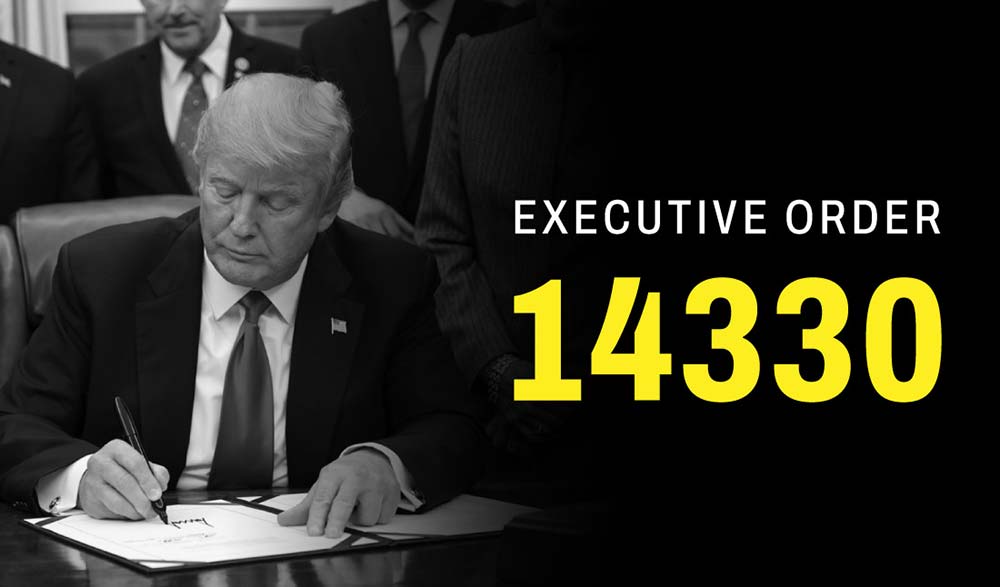 |
When Trump signed Executive Order 14330, he quietly opened a $216 trillion opportunity to regular Americans. And Trump collects up to $250,000 a month through a little known fund directly tied to this boom. Now you can access it for less than $20. See how to get the full story here >>
━━━━━━━━━━━━━━━━━━━━━━━━━━━━━━━━━━━━━━━━━━━━━━━━━━━━━━━━━━━━━━
THE PLAY
Who Collects the Toll When the MoU Expires
The number I circled this morning: 20 years.
That is the average term on the LNG supply purchase agreements Venture Global and Cheniere are signing with European buyers. The Iran MoU runs 60 days. European energy security contracts run 20 years. These are different instruments on different timelines, and only one of them is priced into the market right now.
Here is the framework. In any energy conflict, three types of companies exist. The first type bets on the price of the commodity. They win when oil spikes and lose when it crashes. Every oil major sits here. The second type bets on volume throughput. They get paid per unit whether the price is $72 or $112. U.S. LNG exporters are in this category. Cheniere (NYSE: LNG) earns a fixed margin per million BTU regardless of Henry Hub. Their contracts are priced off a fixed fee above the cost of gas. They do not care what happens at the Strait of Hormuz.
The third type bets on necessity. Nuclear plants get paid for every megawatt-hour they produce. Data centers cannot turn off their servers overnight. They need baseload. That is what SMR contracts are: 20-year baseload power purchase agreements that do not move with commodity prices.
The Iran deal does not threaten either category. If the ceasefire holds and oil stays at $72, European buyers accelerate their diversification away from Gulf supply and U.S. LNG volume grows. If the ceasefire collapses and oil goes back to $100, U.S. domestic energy looks cheap and secure by comparison. Both outcomes are constructive for the infrastructure plays.
The tickers I am watching: VG (Venture Global, NYSE), LNG (Cheniere Energy, NYSE), OKLO (Oklo Inc., NYSE), BWXT (BWX Technologies, NYSE). These are not short-term trades on the oil price. They are positions in the infrastructure that the next decade of energy policy gets built around. The toll booth does not care who wins the war.
━━━━━━━━━━━━━━━━━━━━━━━━━━━━━━━━━━━━━━━━━━━━━━━━━━━━━━━━━━━━━━
Stay empowered.
P.S. The energy infrastructure setup I outlined today is exactly the kind of analysis our premium members go deeper on every week. If you want the full research behind the LNG buildout thesis and the SMR order book, click here to access the complete report.